Why This Little Piggy Loves Cupcakes Clipart Is the Sweetest Addition to Your Creative Toolkit
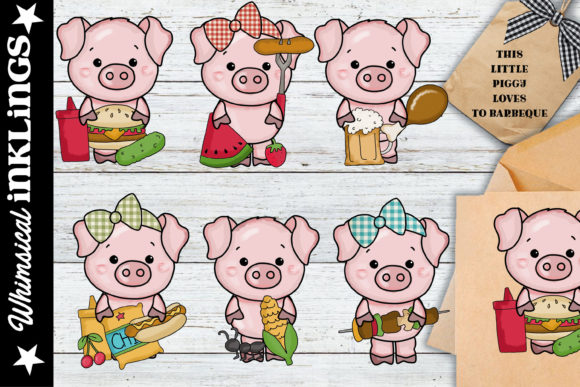
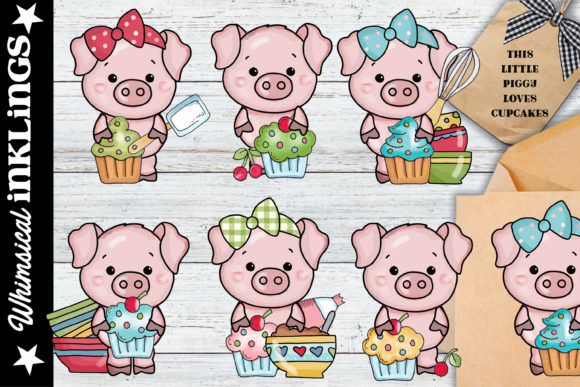
If you have ever spent hours searching for digital assets that are both whimsical and high-quality, you know how frustrating it can be to find images that actually work in real-world projects. Many creators settle for low-resolution files or awkward compositions that require extensive editing before they are usable. This Little Piggy Loves Cupcakes Clipart offers a refreshing alternative by providing six adorable, professionally designed characters ready for immediate use. These large 300 DPI transparent PNG images are not just cute; they are practical tools for sublimation design, paper crafts, cards, tags, labels, and much more.
However, owning great clipart is only half the battle. The other half is knowing how to use it correctly to avoid common pitfalls that can ruin your final product. Whether you are a seasoned entrepreneur running an Etsy shop or a hobbyist making birthday cards for family, understanding the technical and creative nuances of these files will save you time, money, and frustration.
The Trap of Low-Resolution Assets
One of the most frequent mistakes beginners make is underestimating the importance of resolution. You might find similar pig-themed graphics online for free or at a lower cost, but if they are saved at 72 DPI (dots per inch), they are only suitable for screen display. When you try to print them on a mug, t-shirt, or greeting card, the image becomes pixelated and blurry. This looks unprofessional and can damage your brand reputation if you are selling products.
This Little Piggy Loves Cupcakes Clipart is provided at 300 DPI, which is the industry standard for high-quality printing. This ensures that every detail, from the sprinkles on the cupcakes to the expression on the pigs’ faces, remains crisp and clear. Before you download any clipart, always check the DPI specification. If it is not explicitly stated as 300 DPI or higher, assume it is not suitable for physical products. Using high-resolution files from the start prevents the need for costly reprints and wasted materials.
Misunderstanding Transparent Backgrounds
Another common oversight involves file formats. Many novice designers download JPEG files, which come with a solid white background. While this might look fine on a white piece of paper, it creates a visible white box around the image when placed on colored cardstock, fabric, or dark backgrounds. Removing this background manually requires advanced skills in software like Photoshop and can result in jagged edges if not done perfectly.
The clipart set features transparent PNG files. This means the background is already removed, allowing you to layer the pigs seamlessly over any color or pattern. For example, if you are creating a sublimation design for a navy blue tote bag, the transparent background ensures the pig and cupcake appear directly on the fabric without an unsightly white square. Always verify that your downloaded files are PNGs with transparency before starting your project. This simple check can cut your design time in half.
Overlooking Scale and Proportion
Even with high-quality images, improper scaling can lead to disappointing results. A frequent error is stretching or distorting the clipart to fit a specific space. When you resize an image non-proportionally, the characters look squashed or elongated, losing their charm and professional appeal. This is particularly noticeable in text-heavy designs like invitations or labels where balance is key.
To avoid this, always maintain the aspect ratio when resizing your images. Most design software allows you to lock the proportions by holding the Shift key while dragging the corners. Additionally, consider the final size of your product. Since these are large files, you have the flexibility to scale them down significantly without losing quality. However, do not upscale them beyond their original dimensions, as this will introduce blur. Plan your layout carefully, ensuring the pigs and cupcakes are proportionate to any text or other elements in your design.
Neglecting Color Profiles for Sublimation
For those using these images for sublimation, color management is critical. A common mistake is designing in RGB (Red, Green, Blue) mode and expecting the colors to look identical after printing on polyester fabrics. Sublimation printers often use CMYK (Cyan, Magenta, Yellow, Key/Black) inks, and colors can shift during the heat transfer process. Bright neon shades may appear duller, and dark colors may not transfer well.
While This Little Piggy Loves Cupcakes Clipart is designed with vibrant colors in mind, it is wise to perform a test print on a small scrap of your chosen material. This helps you understand how the colors react to heat and pressure. Adjust your design brightness and contrast slightly if needed, keeping in mind that sublimation tends to lighten images slightly. By testing beforehand, you avoid wasting entire batches of products due to unexpected color shifts.
Ignoring Licensing and Usage Rights
Perhaps the most serious oversight is failing to read the license agreement. Many creators assume that once they purchase a clipart set, they can use it however they like. However, some licenses restrict commercial use, limit the number of physical items you can sell, or prohibit use in certain industries. Violating these terms can lead to legal issues and account suspensions on platforms like Amazon Merch or Etsy.
Always review the license included with your download. For this particular set, ensure you understand whether it allows for unlimited commercial use or if there are restrictions on digital resale. For instance, you can typically use the images on physical products like mugs and shirts, but you usually cannot resell the digital files themselves or use them in logo trademarks. Clarifying these details upfront protects your business and ensures ethical usage of the artist’s work.
Practical Tips for Maximizing Value
To get the most out of your clipart collection, organize your files immediately after downloading. Create folders for different projects or themes, such as "Birthday Cards," "Sublimation Blanks," or "Social Media Graphics." This saves time when you need to locate a specific pig character later. Additionally, keep a backup of the original files in a cloud storage service to prevent data loss.
Experiment with layering. Since you have six different characters, you can create scenes by combining them. Place one pig holding a cupcake next to another pig looking excitedly at it. Add decorative elements like confetti or balloons using other design resources to create a cohesive composition. The versatility of these transparent PNGs allows for endless creativity, so do not be afraid to mix and match.
Finally, consider your audience. If you are making items for children, the playful nature of these pigs is perfect. For adult-oriented products, pair the clipart with elegant fonts and sophisticated color palettes to create a charming yet mature aesthetic. Understanding who will receive or buy your product helps you tailor the design effectively.
In conclusion, This Little Piggy Loves Cupcakes Clipart is a valuable resource for anyone looking to add a touch of whimsy to their creations. By avoiding common mistakes related to resolution, file formats, scaling, color profiles, and licensing, you can ensure professional results every time. Take the time to learn the technical aspects of digital design, and you will find that these adorable pigs become a staple in your creative workflow, enhancing everything from handmade cards to profitable sublimation products.